Newsprint and letterpress
The paper determined the colour. Everything else was negotiation.
The substrate sets the terms
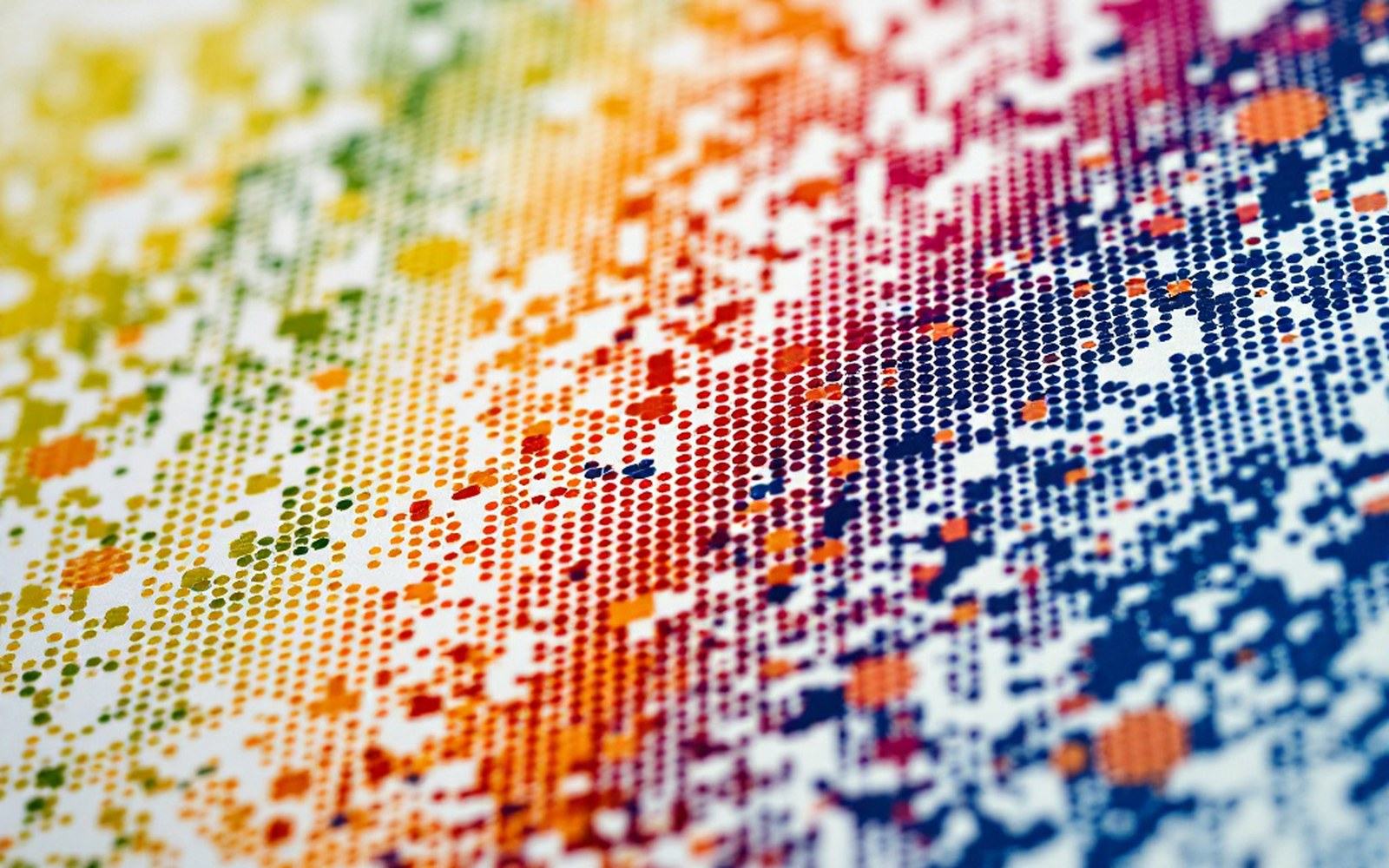
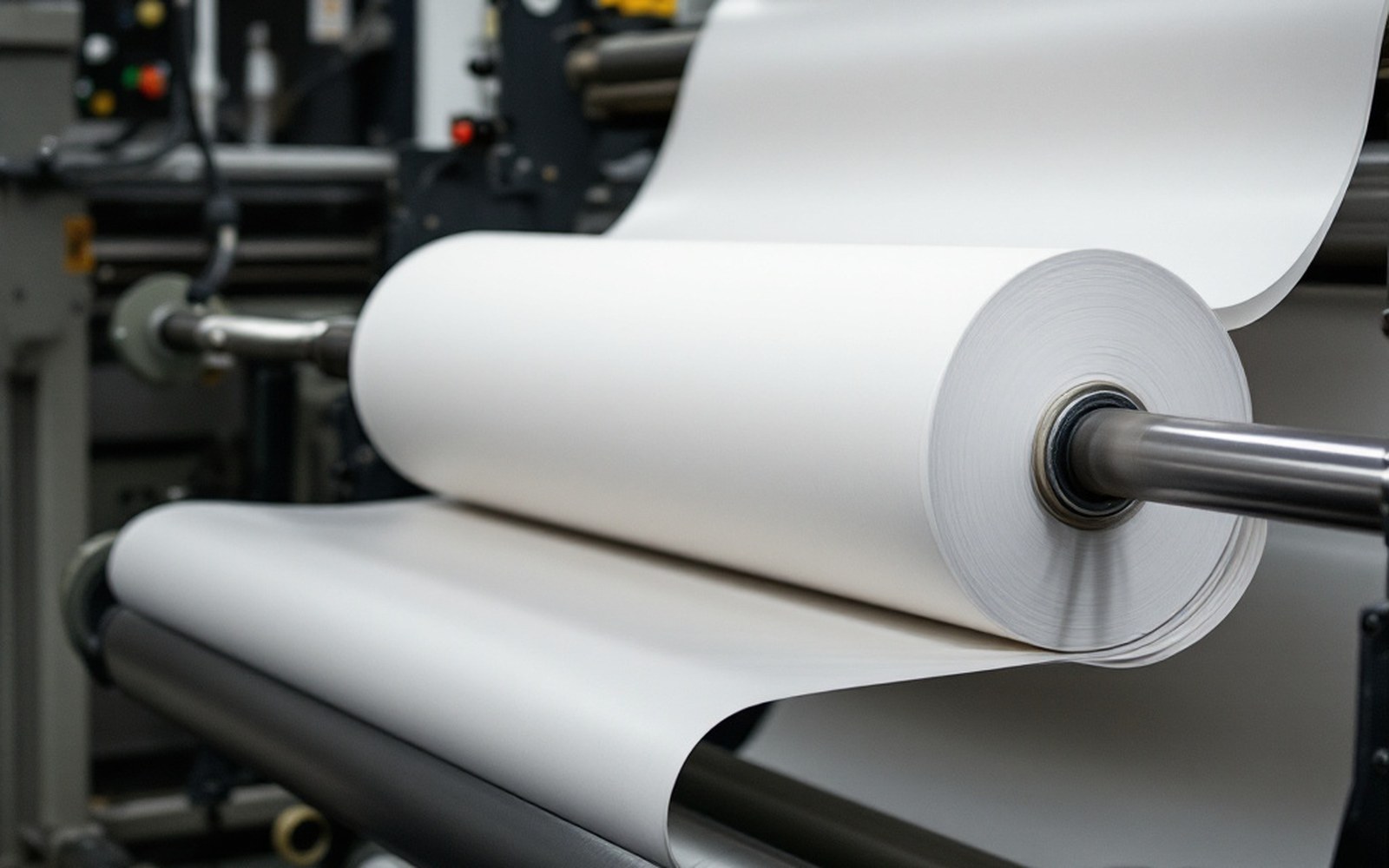
Newsprint is cheap because it is mostly groundwood pulp — mechanically processed, minimally bleached, highly absorbent. That absorbency is the fact that shaped American comics for four decades. When a letterpress cylinder forced an inked relief plate onto newsprint at speed, the dot of ink landed and spread. The Ben-Day dot that arrived sharp on the film arrived fuzzy on the page, and adjacent tints that separated cleanly in the proof could merge in the press run, muddying a face or flattening a sky into a single flat mass.
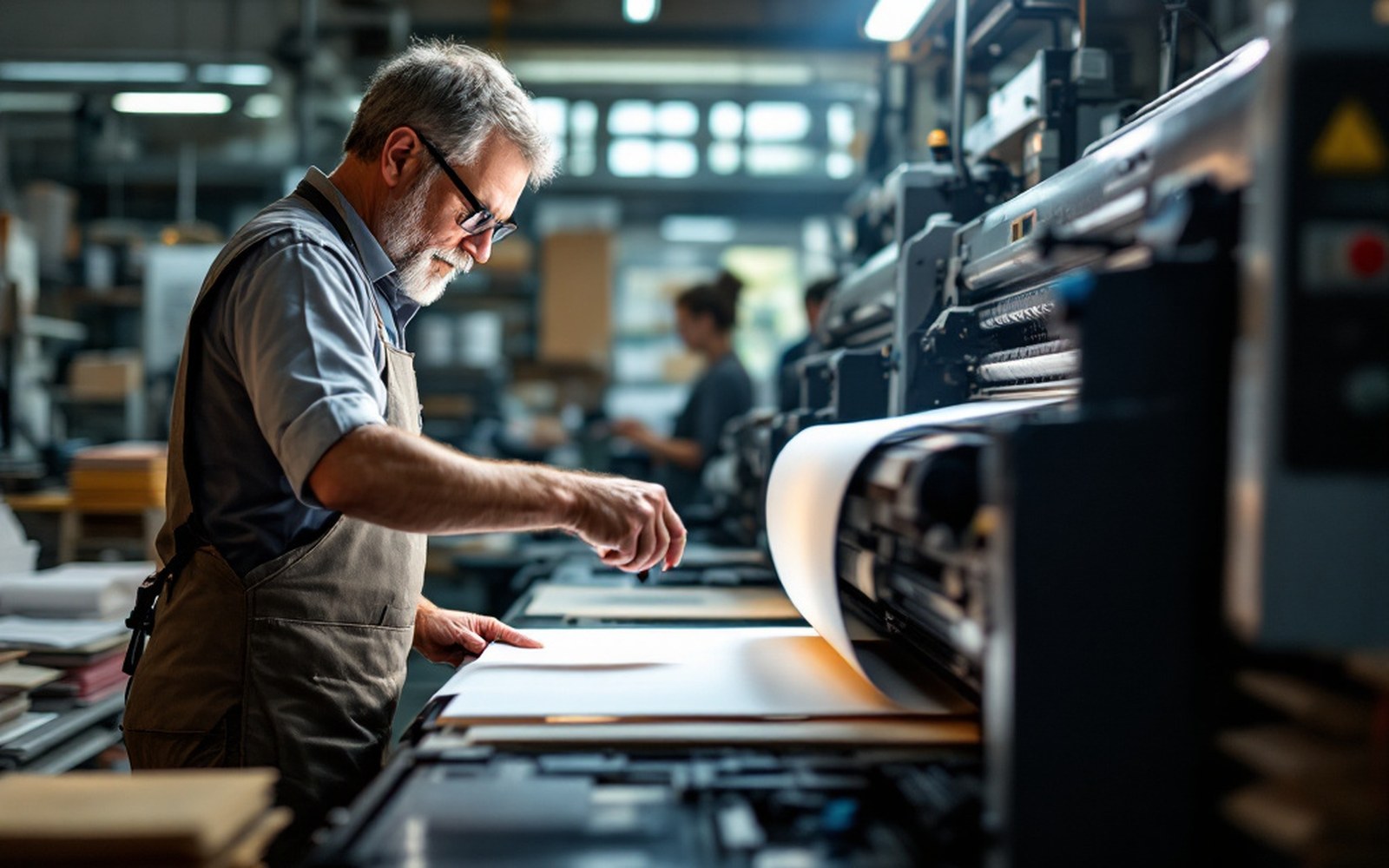
Letterpress itself is a relief process: ink sits on the raised surface of a metal or photopolymer plate and transfers directly to paper under pressure. It is fast and economical, which made it the standard for newspaper and comic-book printing well into the 1970s, but it punishes soft substrates. Letterpress printing demands a paper firm enough to hold the dot, and newsprint rarely was. The practical consequence was a restricted colour palette — not because the inks were unavailable, but because finer percentage values could not survive the journey from plate to paper without bleeding into one another. Colourists learned to avoid the middle-ground tints and work with the coarser steps the process could reliably hold.
On the record
Process and materials
- 01Newsprint — groundwood-pulp paper, absorbent and acidic; the standard substrate for American comic books through the 1970s
- 02Letterpress — relief printing process; ink on raised plate surface transferred under pressure; fast but sensitive to paper quality
- 03Ben-Day dot — mechanical dot screen used to build flat tints; spread and merged on absorbent newsprint
- 04Four process colours — cyan, magenta, yellow, black; each requiring a separate plate and a separate press pass
- 05Registration — alignment of successive colour plates; misalignment left visible fringing, worsened by soft substrate
The four process colours — cyan, magenta, yellow and black — were each printed from a separate plate, and any misregistration between passes left a visible fringe around figures. On newsprint that fringe was wide. Publishers kept line art bold and outlines heavy partly for aesthetic reasons, partly because a thick black line absorbed registration errors that would have been ruinous on finer work.
The physical chemistry of paper has a direct line to visual style. The flat, primary-key look of the classic American comic book is not simply a convention; it is what the paper and the press permitted and, over time, what readers and artists learned to work within and eventually to love. When offset lithography and coated stock began replacing letterpress and newsprint in the 1980s, the colour changed almost overnight — more tones, tighter registration, a different book entirely.
Newsprint is cheap because it is mostly groundwood pulp — mechanically processed, minimally bleached, highly absorbent.