Spines on a shelf
A bound album stands upright and waits; a pamphlet goes in a pile and gets lost.

The shelf as a sales argument
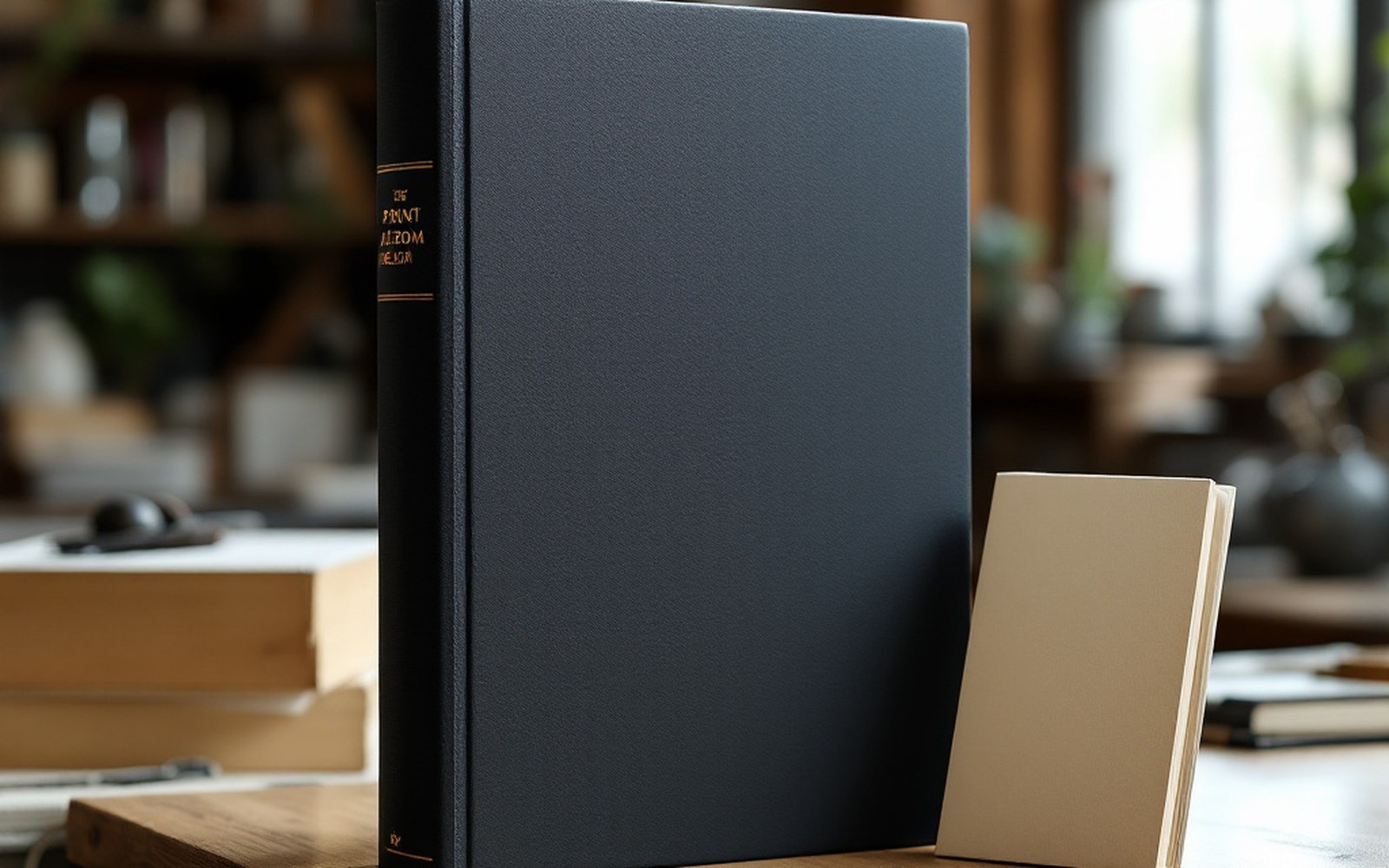
The European album — the bande dessinée album, roughly A4, hardbound, forty-eight pages — has a spine wide enough to print a title on. That single physical fact separates its commercial life from the American pamphlet's entirely. A shop can shelve it like a book, a reader can find it again, and it stays in print for years rather than rotating off a newsstand in a month.
Publishers at houses like Casterman and Dupuis understood this from early in the album format's history. The serialised pages ran first in weekly magazines — Tintin, Spirou — then were collected, bound and sold through bookshops as well as specialist outlets. A bookshop could carry them on standard shelving because the format behaved like any other book on the shelf. The spine was a catalogue entry, a display surface, a permanent address.
On the record
The physical contrast
- 01pamphlet spine — a few millimetres, no printable surface; shelved flat or in a rack
- 02album spine — wide enough to carry title, author and publisher; stands upright on standard bookshelves
- 03commercial consequence — album stays in print and in stock; pamphlet rotates on a short newsstand cycle
The American pamphlet had none of this. Folded and stapled, its spine is a few millimetres of paper at best — nothing to print on, nothing to read at a distance. It was designed for a wire rack or a stack, consumed and discarded or, at most, bagged. Returnable copies moved through the newsstand system on short cycles, and a title that didn't sell fast enough simply came back as stripped covers. There was no shelf life in the literal sense.
When the direct market developed in the 1970s and specialist shops replaced newsstands as the primary outlet for American comics, the inadequacy of the pamphlet as a durable retail object became harder to ignore. The graphic novel format — a bound, spine-bearing, bookshop-viable object — gained commercial ground in part because it could simply stand up and be seen. The album had always known this.
The European album — the bande dessinée album, roughly A4, hardbound, forty-eight pages — has a spine wide enough to print a title on.

Named in this entry